


Prostatitis in men is a common inflammatory disease that, if left untreated, causes irreversible changes in the tissues of the prostate gland.The chronic form of the disease does not have clear symptoms, but they may appear during an exacerbation of the pathology.Symptoms and treatment largely depend on the severity of the disease, as well as on the involvement of other organs of the genitourinary system in the inflammatory process.

The urologist must make a diagnosis, determine the form of the disease and prescribe treatment.
Signs of acute prostatitis
Acute prostatitis has similar symptoms in different forms.It can be catarrhal, parenchymal, follicular and abscessing.With the development of acute inflammation of the prostate, the general state of health deteriorates quite quickly.The first signs of prostatitis in men are characterized by the appearance of pain in the groin area.Body temperature can reach 40 degrees.During this period, the patient feels chills, headache and muscle weakness.
Slight relief of the condition and reduction of discomfort is observed when a person lies on his back and presses his knees to his stomach.
Many patients with acute prostatitis note pain in the rectum, some of them feel as if there is a foreign object in it.An inflamed prostate can also manifest as problems with bowel movements.
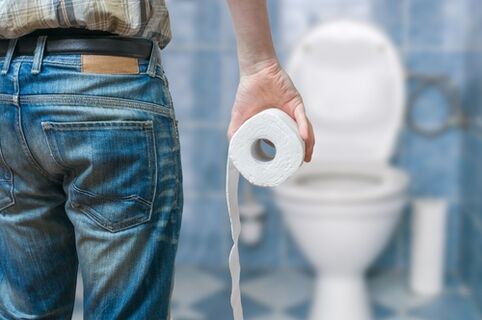
Acute prostatitis can be accompanied by symptoms similar to intestinal infections and inflammatory diseases of the lower intestine.
This is explained by enlargement of the prostate gland due to inflammation and increasing swelling of its tissues, which put pressure on the intestines.Therefore, the symptoms of acute prostatitis are sometimes manifested by stool retention, flatulence and false urges to defecate.
In some cases, patients experience severe pain during bowel movements.The manifestation of the disease is also possible through an increase in unpleasant sensations in the central area of the abdomen.Often, acute prostatitis can have symptoms such as discharge from the anus in the form of mucus, which is associated with the appearance of inflammation in the rectum itself.Since acute prostatitis very often has symptoms related to the involvement of the intestines in the pathological process, it is sometimes not possible to perform a rectal palpation due to severe pain in the rectum.
The first symptoms of acute prostatitis may look like inflammation of the urinary tract.Before the prostate problem becomes apparent, difficulty emptying the bladder may occur.

Problems with urination of various types almost always accompany acute prostatitis.
A person may feel pressure in it, as well as a feeling of incomplete emptying.The stream of urine with inflammation of the prostate gland is often weakened.Some patients complain of a complete inability to urinate.Such symptoms of prostatitis in men indicate the need for quick medical intervention, because acute urinary retention increases intoxication, which is manifested by severe headache, lack of appetite, vomiting and yellowing of the skin.This condition is dangerous and requires immediate hospitalization.
Signs of chronic prostatitis
Chronic prostate problems are not always obvious;symptoms can be so subtle that men attribute the appearance of fatigue and weakness to other circumstances.Most often, the patient learns about the presence of such a disease during a medical examination or when visiting a doctor for another disease.
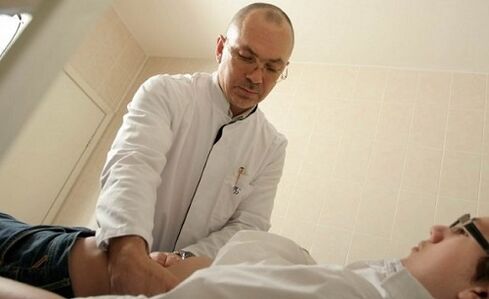
Chronic prostatitis often accompanies other genitourinary diseases, for which the patient consults a doctor.
What symptoms are characteristic of chronic inflammation of the prostate?These are discomfort and a feeling of heaviness in the perineum, burning and pressure in the urethra when emptying the bladder.A discharge from the urethral canal and purulent threads in the urine may occur.Such signs and symptoms should alert you and be a reason to visit a urologist.
Very often, chronic diseases of the glands are accompanied by problems in the intimate area.
Prostatitis can cause accelerated ejaculation, slow orgasm and reduced potency.Sometimes a person completely loses interest in intercourse, becomes more aggressive and develops depression.Some patients suffer from insomnia and general fatigue.There are also fears related to sexual activity and failures during intercourse, which sometimes leads to a nervous breakdown.Its treatment is also necessary, so in some situations the attending physician may refer the patient to a consultation with a psychotherapist.

Constant nervous stress reduces immunity, which further worsens the course of the disease.
Therapeutic measures
Before treating prostatitis, the urologist prescribes an examination of the patient.One should donate blood for PSA levels, iron, and a general urine test.Prostate juice is also subject to examination.
It is impossible to treat prostatitis on your own.Some men try to improve the condition of the gland by resorting to non-traditional or folk methods that can reduce the symptoms of the disease.As a rule, prostatitis worsens and without additional treatment the disease leads to complications - hardening of the gland tissue, impaired urination and loss of reproductive function.
The treatment prescribed in the initial stage of prostatitis is much more effective.Rapid improvement of the patient's condition is facilitated by an extremely comprehensive approach.

It is important to consult a doctor in time to prescribe treatment.
A lot of importance is given to the causes that led to prostate dysfunction.If the provoking factors are not identified, the probability of recurrence of the disease is very high.
The urologist chooses types of treatment depending on the form and stage of prostatitis.The doctor takes into account the presence of concomitant diseases, some of which may become a contraindication for prescribing certain drugs to the patient.
For bacterial prostatitis
The basis of the therapy of the acute form of the disease is antibacterial agents.It is very important that the patient stays in bed during treatment.With this type of prostatitis, in no case should you massage the prostate gland.Even collecting prostate juice in this way is prohibited.This is due to the high probability of septic complications.

In case of acute inflammation of the prostate caused by an infection, it is necessary to limit physical activity as much as possible.
In bacterial prostatitis, means are shown to improve microcirculation in the tissues of the gland.
The effectiveness of the drugs is due to the fact that they restore the outflow of lymph fluid and blood from the prostate, which helps to reduce the symptoms of intoxication.
Since bacterial prostatitis is almost always accompanied by acute pain, patients are prescribed NRVS and analgesics that reduce discomfort and pressure in both the perineum and rectum.Patients are shown analgesic drugs, which not only reduce pain, but also help reduce the severity of the inflammatory process.
Rectal suppositories have a good effect, they work quite effectively due to the proximity of the rectum and the prostate gland.Suppositories may contain natural ingredients, for example honey, propolis, bovine prostate extract.All these components are safe, but at the same time very effective.
In case of significant intoxication, solutions are administered to patients.If the examination reveals a prostate abscess or the patient has urinary retention, surgical treatment is indicated.
The therapy of bacterial prostatitis is based on the use of antibacterial drugs belonging to the group of fluoroquinolones.This type of drug is effective in activating gram-negative pathogenic flora.
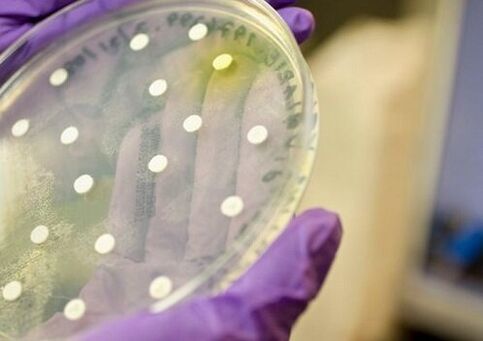
For the most accurate prescription of the treatment, it is necessary to do a culture test for sensitivity to antibiotics.
Doctors say that such drugs should be prescribed only after identifying the type of microorganisms that caused the prostate disease.Fluoroquinolones can cause side effects if the patient has liver or kidney dysfunction.Sometimes patients develop changes in the digestive tract and nervous system.Possible decrease in blood sugar, heart problems.
If pathogenic microorganisms are identified that are insensitive to fluoroquinolones, the patient is prescribed macrolides or cephalosporins.These drugs are also indicated when the patient experiences side effects from previous drugs.If there is no improvement after two weeks, the urologist should review the treatment regimen.
For chronic illness
Treatment methods for chronic prostatitis largely depend on its stage.In case of exacerbation of the disease, the treatment is carried out in exactly the same way as in the acute bacterial form.

In chronic prostatitis, antibiotics are often prescribed in the form of tablets.
For symptoms characteristic of a state of remission, antibiotics, herbal antiseptics, non-steroids, as well as drugs that help improve the outflow of lymph from the gland, may be indicated.
Great importance is also given to drugs that help improve the function of the immune system.Natural herbal preparations help reduce the swelling of the prostate tissue.These same drugs reduce the pain that is sometimes present with chronic prostatitis.
Since the disease is often accompanied by depression and nervousness, the patient may be prescribed sedatives and antidepressants.
Physiotherapy has a good effect.Special exercises help restore blood supply to the gland, increase muscle tone and improve mood.
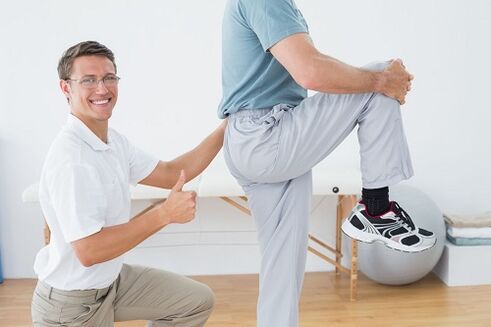
Exercise therapy classes are best conducted under the guidance of a medically trained trainer.
As additional measures, patients undergo a course of physical therapy procedures that restore microcirculation, relieve tension in the pelvic area, and relieve pain.Laser therapy, electrophoresis and magnet treatment have a good effect.
Rectal massage has a positive effect on prostate health.This procedure can be performed both in the clinic and at home.If such treatment is prescribed for the first time, it is best to conduct the first course with a professional.Massage is very effective for congestion in the gland.Prostate massage can cause some discomfort, but only in the first days of treatment.In the future, there should be no pain, and patients feel a sense of relief, because after the procedure, the heaviness that is often observed in chronic prostatitis disappears.
There are special devices that replace the rectal massage of the prostate gland.The improvement of microcirculation, relief of swelling and stagnation is provided by the action of acoustic waves.The sensor of such a device works through the skin, so it is not necessary to insert a massager into the rectum.Such devices can be purchased in special medical stores.First you need to consult a urologist and study the instructions.
Massagers can be used for preventive purposes;The duration of the course of procedures is determined by the doctor.
Any treatment prescribed by a urologist must be accompanied by proper nutrition and the refusal of alcohol.It is important to remember that hypothermia can lead to an exacerbation of the disease.